
Join the growing community of agile professionals and unlock new opportunities with the prestigious SAFe Agilist Certification. As organizations worldwide embrace the agile methodology, the demand for certified SAFe Agile leaders continues to skyrocket. But what exactly does it take to obtain a SAFe Agile certification? In this dynamic and ever-evolving field, the answer goes beyond just mastering the framework.
Blog
Innovation and rapid adaptability reign supreme when it comes to software development and IT industry success. Mastering project delivery is a vital part of business success.

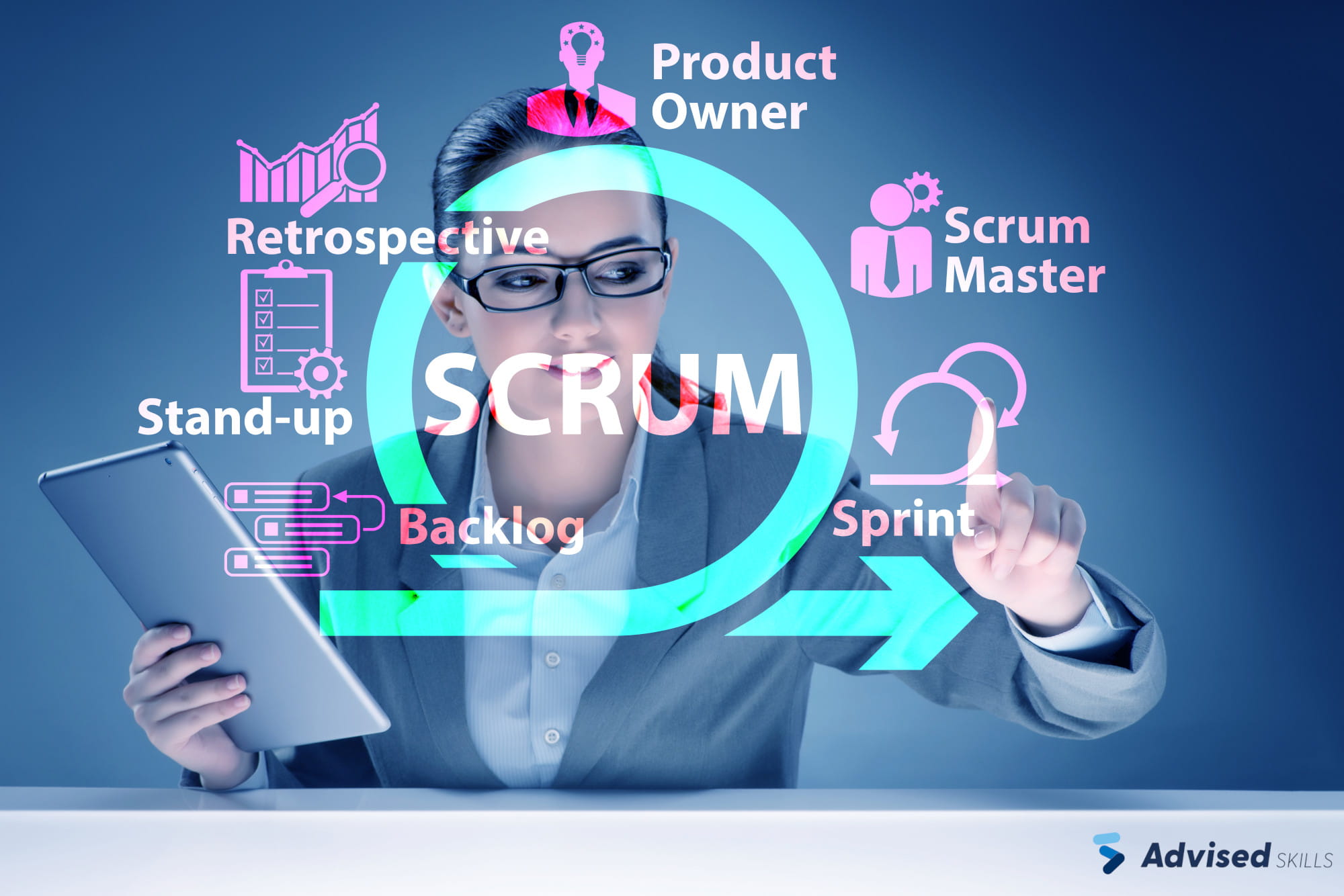
At the heart of Agile's transformative power lies the Scrum Product Owner, a role that blends strategic vision with practical execution. With the increasing use of Agile methods, there is a growing need for skilled Product Owners.

Agile project management is a methodology that has become increasingly popular in recent years. It is based on the idea of breaking down projects into smaller, more manageable increments, known as sprints. Each sprint typically lasts two to four weeks, and at the end of each sprint, the team delivers a working product increment to the customer.
The role of a Product Owner is pivotal in any Agile team. They serve as the linchpin that connects the development team with the client's needs, ensuring that the end product delivers value.

In a world where being adaptable is key to success, learning agile transformation is like finding a hidden treasure. SAFe is like a map that helps us navigate project management, turning challenges into chances for growth and innovation.

In a realm where adaptability defines survival, the Scaled Agile Framework (SAFe) stands as a beacon of agility at scale. In this strong structure, Product Owners and Product Managers act as guides in the complex journey of Agile transformations.
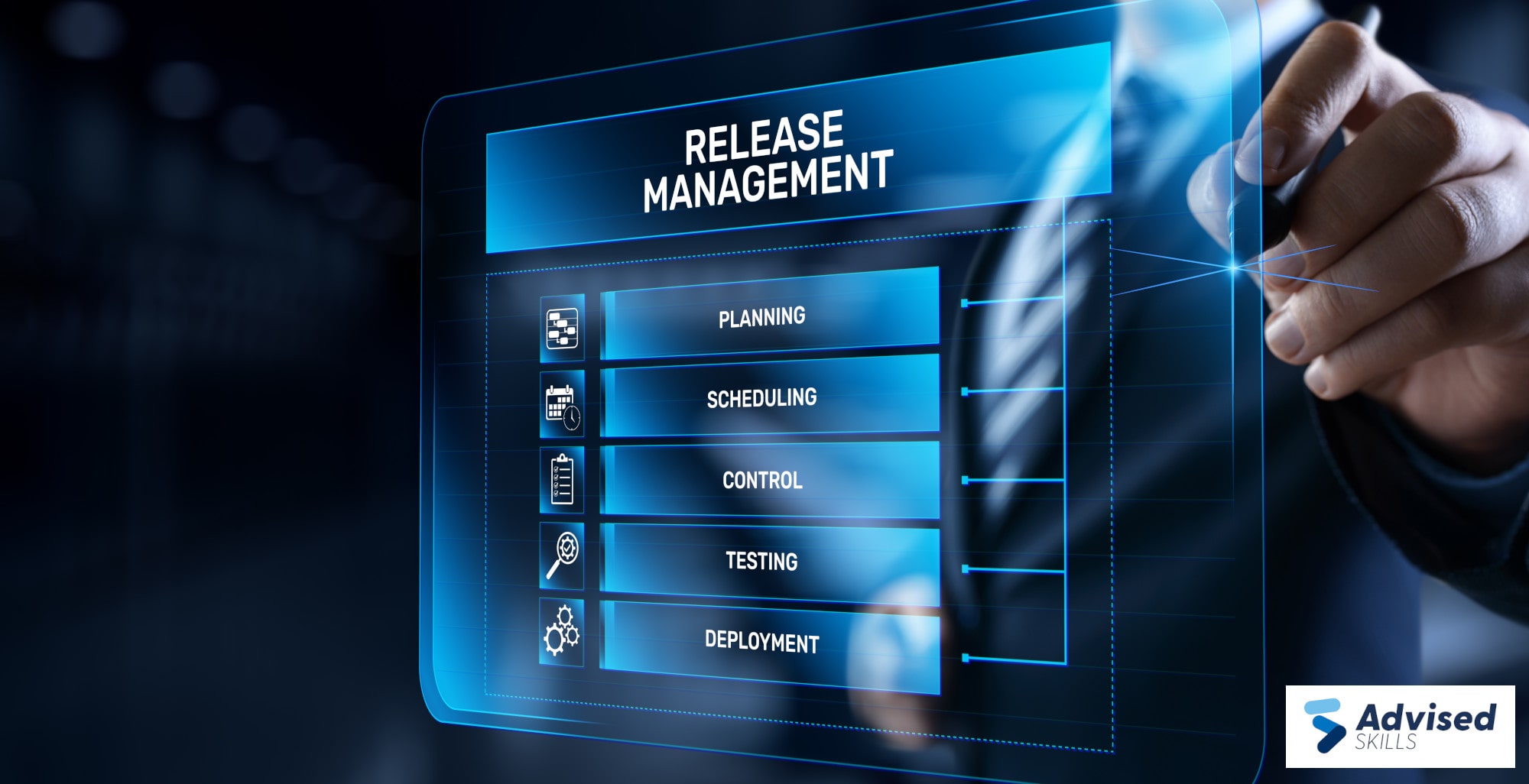
In the modern, swiftly evolving tech landscape, businesses are constantly seeking methodologies that ensure both efficiency and excellence in software delivery. Step in Agile Release Management (ARM) - an approach tailored to facilitate smooth software rollouts without compromising on product quality. With the ever-changing nature of businesses, ARM's significance in the realm of continuous delivery is increasingly underscored.

The modern business landscape is dynamic, requiring organizations to adapt quickly to the ever-evolving demands of the market. Amid this landscape, two methodologies have emerged as leaders: Agile and Lean. Combining Lean thinking with Agile practices can bring bigger improvements for organizations. Let's delve deeper into how you can integrate Lean principles into your Agile framework to derive maximum benefits.
- Scrum Master Journey: PSM I, PSM II and APS
- Why You Should Invest in the Professional Scrum Master Course and Certification
- Scaled Agile Framework Certification: Your Pathway to Enterprise Agility
- Can I switch from a programmer to a scrum master?
- Example case study for you to practice before Scrum Master interview: Questions and Answers
Company
For Business
Support
Latest News
- SAFe vs Scrum: Which Agile Scaling Framework Fits? 16 October 2026
- PRINCE2 Risk Management for Controlled Delivery 14 October 2026
- Why Pursue ITIL Certification in Your IT Career? 12 October 2026
- Service Management Automation That Delivers Control 10 October 2026
- Cybersecurity Gap Analysis for Enterprise Teams 08 October 2026